Understanding the Technical Aspects of Compact Close Coupled Toilets
Compact close coupled toilets are popular for their efficient use of space and modern design. However, their benefits extend beyond aesthetics and space-saving capabilities. To truly appreciate these toilets, it's essential to understand their technical aspects, including how their design impacts water flow, flushing efficiency, and installation requirements. For those looking to make a smart choice for their bathroom, a compact close coupled toilet offers a balance of functionality and style.
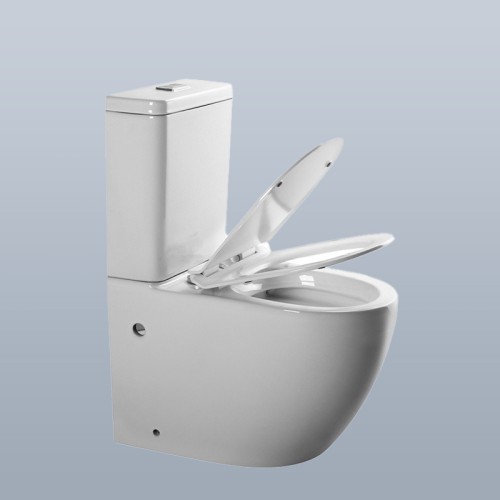
Design and Water Flow
The design of compact close coupled toilets directly influences water flow and performance. Unlike traditional toilets, where the cistern and bowl are separate, compact close coupled toilets feature a cistern directly attached to the bowl. This proximity ensures a more direct water flow during flushing, maintaining a consistent and powerful flush. The integrated design helps clean the bowl effectively with each use.
The shape and angle of the bowl are crucial in optimizing water flow. Many compact close coupled WCs have a smooth, curved interior that directs water evenly around the bowl, aiding in cleaning while using less water. The streamlined water path minimizes turbulence, resulting in quieter operation. This design aspect is particularly beneficial in bathrooms near living areas, where noise reduction is important.
Flushing Efficiency
Flushing efficiency is key in the performance of any toilet, and compact close coupled toilets excel in this area. These toilets often come with dual-flush mechanisms, allowing users to select either a full or half flush. This system conserves water by offering a smaller flush for liquid waste and a larger flush for solid waste. The dual-flush feature not only reduces water consumption but also contributes to lower utility bills over time.
The height and design of the cistern significantly impact flushing efficiency. A higher cistern increases water pressure during a flush, resulting in a more powerful clean. Many slimline close coupled toilets use a gravity-fed flushing system, where water's natural gravitational force aids in flushing waste efficiently. This system is reliable and has fewer mechanical components, reducing the chance of malfunctions and simplifying maintenance.
Installation Requirements
Installing a compact close coupled toilet is generally straightforward, thanks to its integrated design. The toilet comes as a single unit, with the cistern already attached to the bowl, which simplifies the installation process. This minimizes the need for extensive plumbing adjustments, making it ideal for both new installations and bathroom renovations. The compact nature of these toilets allows them to fit into tight spaces, making them suitable for small bathrooms or en-suites where space is limited.
Proper alignment with the waste pipe is crucial during installation. Since compact close coupled toilets are designed to sit close to the wall, accurate measurement and positioning are essential to avoid issues. Additionally, these toilets usually have a standard bottom entry for the water inlet, but some models offer side entry options. This flexibility allows for easier integration with existing plumbing configurations.
Water-Saving Features
One of the standout technical aspects of compact close coupled toilets is their water-saving features. The dual-flush mechanism is designed to significantly reduce water usage by providing options for a reduced flush volume. Typically, the full flush uses around 4.8 to 6 liters of water, while the half flush uses approximately 3 liters, much less than older, traditional toilets. This not only conserves water but also lowers household water bills.
The rimless design found in many compact close coupled WCs contributes to water efficiency. Without a rim, water flows evenly around the bowl during flushing, ensuring thorough cleaning with less water. This design minimizes areas where bacteria can accumulate, enhancing hygiene while conserving water. These water-saving technologies make compact close coupled toilets an eco-friendly choice for modern bathrooms.
Maintenance and Durability
Compact close coupled toilets are designed for durability and ease of maintenance. The integrated design reduces the number of joints and connections, minimizing potential leak points and enhancing reliability over time. The straightforward construction also means accessing internal components like the flush valve and fill valve is relatively simple, reducing the complexity of maintenance tasks.
Many slimline close coupled toilets are made from high-quality materials like vitreous china, which is resistant to stains, scratches, and corrosion. This ensures a longer lifespan and maintains the toilet's appearance with minimal effort. Quick-release seats are a common feature, allowing for easy removal and thorough cleaning. This design consideration further enhances the toilet's durability and hygiene, making it suitable for both residential and commercial settings.
Noise Reduction
A quieter operation is another technical benefit of compact close coupled toilets. The integrated design allows for more control over water flow, reducing noise during flushing. The smoother and more direct water path minimizes turbulence, resulting in a quieter flush. This is especially important in settings where maintaining a peaceful environment is a priority, such as guest bathrooms or hotels.
Some models include additional noise-reducing features, like insulated cisterns that dampen the sound of water refilling. These enhancements make compact close coupled toilets suitable for installations where noise control is essential. The combination of efficient water use, powerful flushing, and reduced noise makes these toilets a well-rounded choice for various bathroom applications.
Additional Installation Considerations
When installing a compact close coupled toilet, ensure the floor is level and the waste outlet is positioned correctly to align with the toilet's outlet. This ensures proper drainage and prevents leaks. If the toilet is being installed in an area with existing plumbing, check for compatibility with the current system to avoid complications.
It's also important to consider the type of flooring in the bathroom. Compact close coupled toilets can be installed on various surfaces, but secure mounting is essential to prevent movement and ensure longevity. Using appropriate fixing kits and sealing the base of the toilet properly will enhance stability and maintain hygiene by preventing water from seeping under the toilet.
Conclusion
Compact close coupled toilets offer a range of technical advantages, making them an excellent choice for modern bathrooms. Their design impacts water flow, flushing efficiency, and installation requirements, providing both functional and aesthetic benefits. With features like dual-flush mechanisms, efficient water flow, and noise reduction, they meet the needs of both homeowners and professionals.
The ease of installation and maintenance, coupled with their durability and water-saving capabilities, make compact close coupled toilets a smart investment. They blend technology and design, enhancing bathroom functionality while contributing to environmental conservation. For those seeking a balance between efficiency and eco-friendliness, exploring options from a reputable sanitary ware distributor can help you find the best compact close coupled toilet to meet your needs.


Comments
Post a Comment